Hanoi vs Ho Chi Minh City: Which Should You Visit?
Compare Vietnam's two major cities by atmosphere, food, climate, transportation, attractions, nightlife, remote work and trip style.
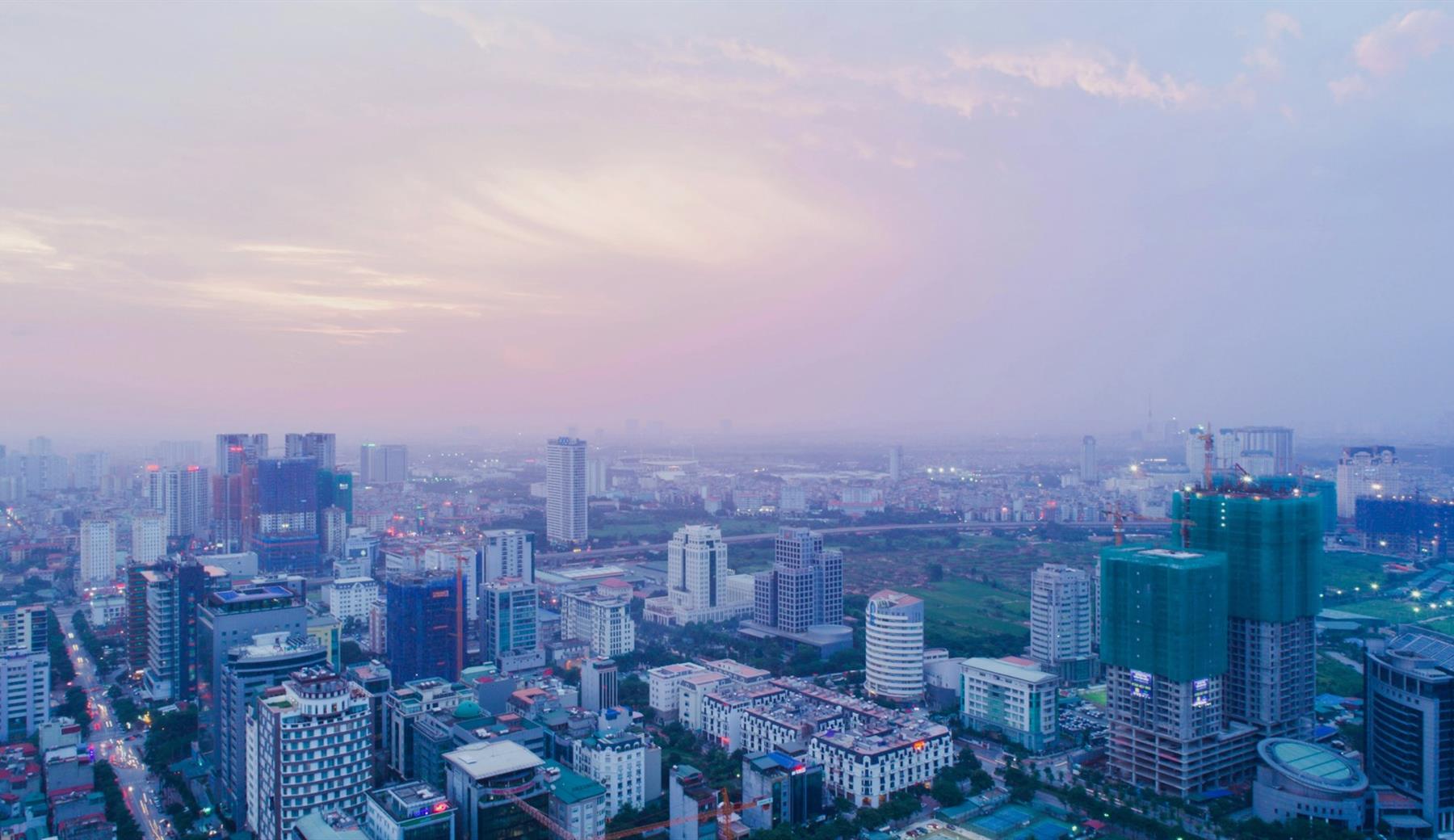
Compare Vietnam's two major cities by atmosphere, food, climate, transportation, attractions, nightlife, remote work and trip style.
The quick comparison
Treat this as a framework rather than a guarantee. Local conditions and individual needs change the answer, so compare sources and make the choice explicit. Start by separating the decision you can make now from details that require current confirmation. A dependable plan uses official sources for rules, records assumptions in writing, and leaves enough flexibility for local conditions.
Good travel decisions are rarely about finding one universally “best” answer. Compare trade-offs: time against money, convenience against local impact, privacy against community, and ambition against the energy required to sustain a routine. Build a first choice and a workable alternative.
Test the idea against an ordinary weekday rather than a highlight reel. Consider the morning routine, the journey between places, access to food and healthcare, the way work or rest will fit, and the practical cost of a mistake. This exposes friction before it becomes expensive.
Local knowledge adds nuance, but it should never be treated as permission to generalize about a whole country or community. Ask precise questions, listen for different perspectives, and update the plan when the evidence changes. Thoughtful travel is an ongoing practice, not a finished checklist.
Atmosphere
Treat this as a framework rather than a guarantee. Local conditions and individual needs change the answer, so compare sources and make the choice explicit. Start by separating the decision you can make now from details that require current confirmation. A dependable plan uses official sources for rules, records assumptions in writing, and leaves enough flexibility for local conditions.
Good travel decisions are rarely about finding one universally “best” answer. Compare trade-offs: time against money, convenience against local impact, privacy against community, and ambition against the energy required to sustain a routine. Build a first choice and a workable alternative.
Test the idea against an ordinary weekday rather than a highlight reel. Consider the morning routine, the journey between places, access to food and healthcare, the way work or rest will fit, and the practical cost of a mistake. This exposes friction before it becomes expensive.
Local knowledge adds nuance, but it should never be treated as permission to generalize about a whole country or community. Ask precise questions, listen for different perspectives, and update the plan when the evidence changes. Thoughtful travel is an ongoing practice, not a finished checklist.
Food
Treat this as a framework rather than a guarantee. Local conditions and individual needs change the answer, so compare sources and make the choice explicit. Start by separating the decision you can make now from details that require current confirmation. A dependable plan uses official sources for rules, records assumptions in writing, and leaves enough flexibility for local conditions.
Good travel decisions are rarely about finding one universally “best” answer. Compare trade-offs: time against money, convenience against local impact, privacy against community, and ambition against the energy required to sustain a routine. Build a first choice and a workable alternative.
Test the idea against an ordinary weekday rather than a highlight reel. Consider the morning routine, the journey between places, access to food and healthcare, the way work or rest will fit, and the practical cost of a mistake. This exposes friction before it becomes expensive.
Local knowledge adds nuance, but it should never be treated as permission to generalize about a whole country or community. Ask precise questions, listen for different perspectives, and update the plan when the evidence changes. Thoughtful travel is an ongoing practice, not a finished checklist.
Climate considerations
Treat this as a framework rather than a guarantee. Local conditions and individual needs change the answer, so compare sources and make the choice explicit. Start by separating the decision you can make now from details that require current confirmation. A dependable plan uses official sources for rules, records assumptions in writing, and leaves enough flexibility for local conditions.
Good travel decisions are rarely about finding one universally “best” answer. Compare trade-offs: time against money, convenience against local impact, privacy against community, and ambition against the energy required to sustain a routine. Build a first choice and a workable alternative.
Test the idea against an ordinary weekday rather than a highlight reel. Consider the morning routine, the journey between places, access to food and healthcare, the way work or rest will fit, and the practical cost of a mistake. This exposes friction before it becomes expensive.
Local knowledge adds nuance, but it should never be treated as permission to generalize about a whole country or community. Ask precise questions, listen for different perspectives, and update the plan when the evidence changes. Thoughtful travel is an ongoing practice, not a finished checklist.
Transportation
Treat this as a framework rather than a guarantee. Local conditions and individual needs change the answer, so compare sources and make the choice explicit. Start by separating the decision you can make now from details that require current confirmation. A dependable plan uses official sources for rules, records assumptions in writing, and leaves enough flexibility for local conditions.
Good travel decisions are rarely about finding one universally “best” answer. Compare trade-offs: time against money, convenience against local impact, privacy against community, and ambition against the energy required to sustain a routine. Build a first choice and a workable alternative.
Test the idea against an ordinary weekday rather than a highlight reel. Consider the morning routine, the journey between places, access to food and healthcare, the way work or rest will fit, and the practical cost of a mistake. This exposes friction before it becomes expensive.
Local knowledge adds nuance, but it should never be treated as permission to generalize about a whole country or community. Ask precise questions, listen for different perspectives, and update the plan when the evidence changes. Thoughtful travel is an ongoing practice, not a finished checklist.
Attractions
Treat this as a framework rather than a guarantee. Local conditions and individual needs change the answer, so compare sources and make the choice explicit. Start by separating the decision you can make now from details that require current confirmation. A dependable plan uses official sources for rules, records assumptions in writing, and leaves enough flexibility for local conditions.
Good travel decisions are rarely about finding one universally “best” answer. Compare trade-offs: time against money, convenience against local impact, privacy against community, and ambition against the energy required to sustain a routine. Build a first choice and a workable alternative.
Test the idea against an ordinary weekday rather than a highlight reel. Consider the morning routine, the journey between places, access to food and healthcare, the way work or rest will fit, and the practical cost of a mistake. This exposes friction before it becomes expensive.
Local knowledge adds nuance, but it should never be treated as permission to generalize about a whole country or community. Ask precise questions, listen for different perspectives, and update the plan when the evidence changes. Thoughtful travel is an ongoing practice, not a finished checklist.
Nightlife
Treat this as a framework rather than a guarantee. Local conditions and individual needs change the answer, so compare sources and make the choice explicit. Start by separating the decision you can make now from details that require current confirmation. A dependable plan uses official sources for rules, records assumptions in writing, and leaves enough flexibility for local conditions.
Good travel decisions are rarely about finding one universally “best” answer. Compare trade-offs: time against money, convenience against local impact, privacy against community, and ambition against the energy required to sustain a routine. Build a first choice and a workable alternative.
Test the idea against an ordinary weekday rather than a highlight reel. Consider the morning routine, the journey between places, access to food and healthcare, the way work or rest will fit, and the practical cost of a mistake. This exposes friction before it becomes expensive.
Local knowledge adds nuance, but it should never be treated as permission to generalize about a whole country or community. Ask precise questions, listen for different perspectives, and update the plan when the evidence changes. Thoughtful travel is an ongoing practice, not a finished checklist.
Remote work
Treat this as a framework rather than a guarantee. Local conditions and individual needs change the answer, so compare sources and make the choice explicit. Start by separating the decision you can make now from details that require current confirmation. A dependable plan uses official sources for rules, records assumptions in writing, and leaves enough flexibility for local conditions.
Good travel decisions are rarely about finding one universally “best” answer. Compare trade-offs: time against money, convenience against local impact, privacy against community, and ambition against the energy required to sustain a routine. Build a first choice and a workable alternative.
Test the idea against an ordinary weekday rather than a highlight reel. Consider the morning routine, the journey between places, access to food and healthcare, the way work or rest will fit, and the practical cost of a mistake. This exposes friction before it becomes expensive.
Local knowledge adds nuance, but it should never be treated as permission to generalize about a whole country or community. Ask precise questions, listen for different perspectives, and update the plan when the evidence changes. Thoughtful travel is an ongoing practice, not a finished checklist.
Which trip style fits
Treat this as a framework rather than a guarantee. Local conditions and individual needs change the answer, so compare sources and make the choice explicit. Start by separating the decision you can make now from details that require current confirmation. A dependable plan uses official sources for rules, records assumptions in writing, and leaves enough flexibility for local conditions.
Good travel decisions are rarely about finding one universally “best” answer. Compare trade-offs: time against money, convenience against local impact, privacy against community, and ambition against the energy required to sustain a routine. Build a first choice and a workable alternative.
Test the idea against an ordinary weekday rather than a highlight reel. Consider the morning routine, the journey between places, access to food and healthcare, the way work or rest will fit, and the practical cost of a mistake. This exposes friction before it becomes expensive.
Local knowledge adds nuance, but it should never be treated as permission to generalize about a whole country or community. Ask precise questions, listen for different perspectives, and update the plan when the evidence changes. Thoughtful travel is an ongoing practice, not a finished checklist.
A practical planning checklist
- Define the purpose of the trip or longer stay before choosing a place.
- Check official entry, safety and transport information near departure.
- Price a realistic month, including irregular expenses and a buffer.
- Save addresses, reservations and emergency contacts offline.
- Learn essential phrases and local expectations before arrival.
- Review the plan after the first week and adjust without treating change as failure.
Hanoi vs Ho Chi Minh City at a glance
| Factor | Hanoi | Ho Chi Minh City |
|---|---|---|
| Atmosphere | Historic, seasonal and compact at the core | Fast, expansive and commercially energetic |
| Food | Northern traditions and subtle balance | Southern variety and broad regional influence |
| Climate | Four-season variation | Tropical wet and dry pattern |
| Transportation | Shorter central distances | Longer cross-city journeys |
| Attractions | Old Quarter, museums and lakes | Modern city life, history and day trips |
| Nightlife | Concentrated and neighborhood-led | Broader and later-running |
| Remote work | Cafe culture with seasonal comfort trade-offs | Large choice of cafes and coworking spaces |
| Trip style | History, walking and northern routes | Urban energy and southern connections |
Frequently asked questions
Where should I start with Hanoi vs Ho Chi Minh City: Which Should You Visit??
Begin with purpose, timing and a realistic total budget. Then compare two or three options using the same criteria instead of collecting an endless list.
How far ahead should I plan?
Book the difficult or capacity-limited parts first. Keep flexible elements open when prices and availability allow, and recheck changing requirements near departure.
How can I keep the plan current?
Use government, transport-provider and venue websites for changing rules. Note the date you checked each important item and verify it again before acting.
What is the most common mistake?
Optimizing for a headline price while ignoring location, transit time, recurring fees, work needs, recovery time and the cost of changing a poor decision.
Sources & verification
Changing requirements, prices and availability should always be confirmed with official government, transport-provider or product-manufacturer sources before acting. This article separates durable planning principles from details that may change.